
Must-Eat High-Protein Foods for Natural Muscle Growth

Getting enough protein for muscle growth can feel like solving a complex puzzle, especially when you're working out intensely or just beginning your fitness experience.
Research shows our bodies need 0.5 to 0.8 grams of protein per pound of body weight to build muscle. This list of top 10 high protein foods for bodybuilding will help you meet these requirements. Chicken breast provides 24g of protein per 3 oz serving, while Greek yogurt delivers 23g per 8 oz portion. These foods are proven to support muscle growth.
Animal and plant-based options give you plenty of choices - because eating chicken breast five times daily isn't everyone's preference. Eggs with 6g per large egg and quinoa containing 8g per cup are great ways to get complete proteins that can enhance your muscle-building results.
Eggs: Nature's Complete Protein Package
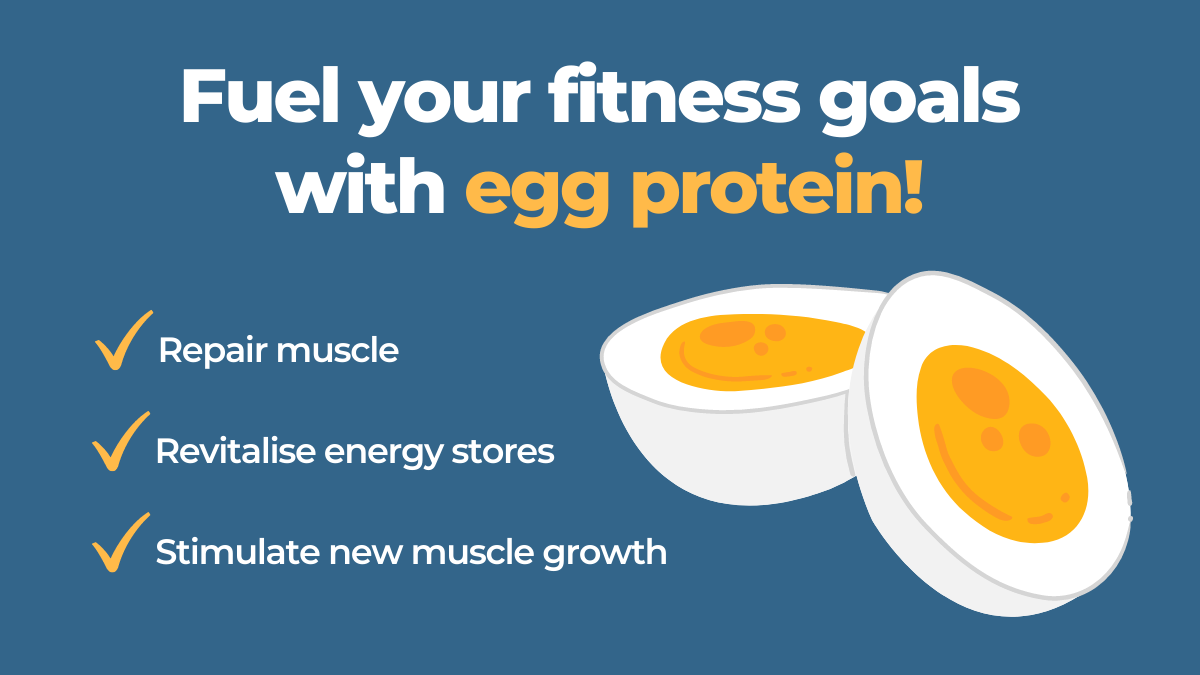
Image Source: International Egg Commission
Eggs are nature's protein powerhouse that provide all nine essential amino acids needed to build muscle. Other food proteins measure their quality against eggs, which set the gold standard.
Egg Protein Content and Quality
A large egg contains 6 grams of high-quality protein. Whole eggs help build muscle better than egg whites alone. People who eat whole eggs after exercise build muscle by a lot more than those who consume just egg whites, even with matching protein content (18g).
Best Ways to Consume Eggs for Muscle Growth
Cooked eggs are easier to digest than raw ones. The nutrients in whole eggs work together to build muscle better. The yolk's vitamins A, D, E, K, and minerals like phosphorus and iron make this possible. You can prepare eggs these ways to get the best muscle benefits:
- Boiled - Perfect to prep meals and carry around
- Scrambled - Quick to eat before workouts
- Poached - Great after exercise
Optimal Timing for Egg Consumption
Your muscles benefit most when you eat eggs after working out. The mix of protein and easy-to-digest carbs helps your body in two ways: it builds muscle and restores energy. Athletes should aim to eat 1.2 to 2.0 grams of protein per kilogram of body weight each day.
Egg Varieties and Their Protein Profiles
Each type of egg has its own protein makeup. Guinea fowl eggs lead with the highest amino acid score (0.92). Quail eggs follow at 0.82, turkey at 0.81, and exotic chicken at 0.75. Guinea fowl eggs pack the most essential amino acids at 49.6g per 100g protein. Boiling these eggs bumps up their protein content, with guinea fowl eggs reaching 26.6%.
Greek Yogurt: The Muscle-Building Dairy Champion

Image Source: MedicalNewsToday
Greek yogurt stands out as a protein powerhouse among dairy products, containing double the protein of regular yogurt. A single serving of plain Greek yogurt (175g) delivers 17 grams of high-quality protein. This protein content helps muscle growth and recovery.
Greek Yogurt Protein Content
Greek yogurt's unique straining process removes excess whey and lactose to create a protein-rich product. Regular yogurt provides 7 grams of protein per 3/4 cup serving, while Greek yogurt packs an impressive 19 grams. The concentrated form contains mostly casein protein that supports sustained muscle development.
Best Times to Consume Greek Yogurt
Research shows that consuming Greek yogurt after resistance training boosts muscle adaptations. A 12-week training program revealed that participants who consumed Greek yogurt (600g on training days, 300g on non-training days) achieved greater strength gains and muscle thickness.
Greek yogurt works best when consumed before bedtime. The protein serves as a building block for lean muscle development. On top of that, it contains tryptophan, an amino acid that converts into serotonin and melatonin to support quality sleep and recovery.
Combining Greek Yogurt with Other Protein Sources
You can create many protein-rich combinations with Greek yogurt. Here are proven ways to boost its protein content:
- Mix with whey protein to improve muscle recovery
- Blend into post-workout smoothies with fruits
- Combine with cottage cheese to extend protein release
- Add to marinades for chicken breast
Research shows that Greek yogurt consumption during resistance training helps achieve a protein intake of 1.74g/kg/day, which exceeds the recommended 1.6g/kg/day for novice trainers. This higher protein intake from Greek yogurt led to greater increases in biceps muscle thickness and fat-free mass.
Lean Chicken Breast: Essential Muscle Food

Image Source: Nutrivore
Chicken breast stands out as an excellent protein source for building muscle, packing 31 grams of protein per 100 grams. You get all nine essential amino acids from this lean meat, which makes it perfect for muscle development.
Chicken Breast Protein Profile
A 100-gram serving of chicken breast contains 165 calories with just 3.6 grams of fat. This makes it one of the quickest ways to get protein, offering more protein per calorie than most other foods. The protein comes loaded with leucine, which is vital for muscle growth. The body can absorb about 80% of chicken protein, which beats the absorption rates of other meat proteins.
Preparation Methods for Maximum Benefits
Your cooking method will affect the chicken breast's nutritional value. These preparation techniques work best to keep the protein content intact:
- Grilling or baking - maintains protein integrity
- Broiling - quick and preserves nutrients
- Air frying - requires minimal oil while keeping moisture
Portion Size Guidelines
Muscle growth works best when you consume 20 to 40 grams of protein per meal. An average adult needs about 200 grams of chicken daily to meet the recommended protein intake of 0.8g per kilo of body weight. People focused on building muscle mass should aim for 2.2g of protein per kilo of body weight.
Best Cuts for Muscle Growth
Chicken breast leads the pack for muscle building. A 4-ounce serving gives you 35 grams of protein. Chicken thighs provide 28 grams of protein and 9 grams of fat per 4 ounces. Wings pack 27 grams of protein but come with 19 grams of fat. This makes chicken breast the best choice to maximize protein while keeping fat intake low.
Chicken breast also delivers essential B vitamins, especially niacin and B6, which help power your workouts. A 6-ounce serving provides 33% of your daily phosphorus needs, which might help boost athletic performance.
Wild-Caught Salmon: Omega-3 Rich Protein Source

Image Source: Livestrong.com
Salmon is a unique protein source loaded with essential nutrients that help build muscle and provide heart-healthy omega-3 fatty acids.
Salmon's Protein and Fat Profile
Wild-caught salmon packs 22-25 grams of protein in each 3.5-ounce serving. Your body needs all essential amino acids for muscle repair and growth, and salmon delivers them perfectly. The protein quality is exceptional - your body absorbs about 80% of it.
Wild vs. Farmed Salmon Comparison
Wild-caught salmon has more protein than farm-raised varieties because it feeds on smaller fish and marine organisms naturally. Here's how they stack up:
| Nutrient | Wild Salmon | Farmed Salmon |
|---|---|---|
| Calories | 133 per 3oz | 203 per 3oz |
| Protein | 22.3g | 20.3g |
| Fat | 4.94g | 13.1g |
| Omega-3s | Higher levels | Lower quality |
Farmed salmon might have slightly less protein, but it still packs plenty of nutritional benefits. Wild salmon naturally contains more minerals like calcium and iron.
Optimal Cooking Methods
Your cooking method affects salmon's protein content and nutritional value significantly. Steamed and oven-cooked salmon keep more protein than boiled preparations. Here's how to get the most nutrients:
- Bake until internal temperature reaches 145°F (62.8°C)
- Pan-sear when you need a quick meal
- Grill to boost flavor while keeping nutrients intact
Sous-vide cooking at 57°C for 20 minutes keeps nutritional values closest to raw salmon. All cooking methods actually increase the protein content. A quick 10-minute brine (1 tablespoon salt per cup water) stops albumin from leaking during cooking.
Grass-Fed Lean Beef: Iron-Rich Protein Powerhouse

Image Source: The Nutrition Insider
Lean beef from mostly grass-fed cattle offers excellent muscle-building nutrients beyond protein. A 4-ounce serving contains 30 grams of complete protein. This makes it a powerful choice for muscle development.
Beef Protein Quality Analysis
The protein in grass-fed beef contains all nine essential amino acids your muscles need to grow. Its protein quality is better than many other sources, and leucine serves as a trigger for muscle protein synthesis. Your muscle protein synthesis increases by 50% after eating beef. This makes it work well for post-workout recovery.
Best Cuts for Muscle Building
Different cuts of beef show varied protein-to-fat ratios. Here's how they rank:
| Cut | Protein-to-Fat Ratio | Protein Content |
|---|---|---|
| Eye of Round | 7:1 | 20g per 3oz |
| Sirloin-Tip | 7:1 | 19g per 3oz |
| Top Sirloin | 5:1 | 18g per 3oz |
| Bottom Round | 4:1 | 20g per 3oz [264] |
Rounds or loins offer maximum muscle benefits with minimum calories. These lean cuts also provide good amounts of creatine - 1 gram per 8 oz of meat.
Consumption Frequency Guidelines
Studies show that eating grass-fed beef 3 times per week gives optimal results. You should aim for 220g (raw weight) on training days. This amount helps you reach a protein intake of 1.3g/kg/day, which helps build muscle effectively.
Grass-fed beef beats grain-fed alternatives in several ways:
- Higher antioxidant content
- Better vitamin E levels
- Better omega-3 fatty acid profile
- More conjugated linoleic acid (CLA)
Grass-fed beef provides vital micronutrients like vitamin B12, phosphorous, and zinc. Your body absorbs its heme iron 80% better than plant-based iron sources. These nutrients work together to support muscle growth and athletic performance.
Quinoa: Complete Plant-Based Protein

Image Source: Nutri Pure
Quinoa stands out from other plant-based proteins because of its complete amino acid profile. A single cup of cooked quinoa gives you 8 grams of protein. This makes it a great choice for building muscle.
Quinoa's Amino Acid Profile
Quinoa is gluten-free and contains all nine essential amino acids that our bodies can't produce naturally. The protein quality matches the 'ideal protein' standards set by the Food and Agriculture Organization. Quinoa's high lysine content helps repair and grow body tissues.
| Nutrient Component | Content per Cup |
|---|---|
| Protein | 8g |
| Fiber | 5g |
| Calories | 132 |
Preparation Tips for Maximum Protein Absorption
Proper preparation is vital because quinoa contains anti-nutritional factors like saponins and phytic acid. You can maximize protein absorption by:
- Rinsing before cooking
- Soaking for 2-4 hours to reduce anti-nutrients
- Cooking until the grain becomes translucent
Quinoa works as a slow-burning carb source that keeps blood sugar levels stable while supporting protein synthesis.
Combining Quinoa with Other Proteins
You can boost quinoa's protein profile by combining it with complementary protein sources. Here are some great pairings:
- Black beans and quinoa for better texture
- Chickpeas to increase protein content
- Mixed vegetables to add nutrients
Different quinoa varieties contain 9.1 to 15.7% protein. Fermentation increases quinoa proteins' biological activity, which could improve their muscle-building properties. Quinoa's high free tryptophan content supports your central nervous system, providing benefits beyond muscle development.
Cottage Cheese: Slow-Release Protein
Research expresses that cottage cheese stands out as an exceptional protein source. We found that casein protein makes up 80% of its total protein content.
Casein vs Whey Content
Cottage cheese's protein composition makes it valuable for muscle development. A four-ounce serving gives you approximately 13 grams of protein. The protein breaks down this way:
| Protein Type | Percentage |
|---|---|
| Casein | 80% |
| Whey | 20% |
Casein creates curds in your stomach and releases amino acids gradually over 4-5 hours. Whey protein digests quickly within 90 minutes. This combination in cottage cheese supports muscle growth continuously.
Night-Time Protein Source Benefits
Research shows eating cottage cheese 30-60 minutes before bed helps build muscle protein throughout the night. This timing works well because it uses the longest period without food. Your body can build muscle instead of breaking it down during this time.
The slow-digesting casein protein in cottage cheese feeds your muscles amino acids while you sleep. Athletes who ate casein protein before bed saw these results:
- Higher resting energy expenditure after waking
- Better muscle protein synthesis overnight
- Stronger muscles and faster metabolism
Portion Recommendations
You need 30 grams of cottage cheese protein before bedtime to build muscle effectively. All the same, portion sizes change based on your goals:
- Pre-sleep serving: 1 cup (gives you about 24 grams of protein)
- Post-workout serving: ¾ cup mixed with tart cherries to recover better
You can eat cottage cheese many different ways. It contains all nine essential amino acids, which makes it perfect for repairing and building muscle while you sleep.
Lentils: Budget-Friendly Muscle Builder

Image Source: YouTube
Lentils are a budget-friendly powerhouse for muscle building at just USD 1.50 per pound. They pack 18 grams of protein per cooked cup.
Lentil Protein Content
Lentils pack more than 25% protein with an impressive amino acid profile. These tiny legumes are rich in lysine and work great with other plant-based proteins. You'll get 9 grams of protein from just a half-cup serving. This is a big deal as it means that lentils outperform many other plant-based options.
Optimal Preparation Methods
The right preparation techniques make lentils even more nutritious. Here's what you need to do:
- Soak for 10-24 hours in warm water with acid (2 tablespoons lemon juice or apple cider vinegar per cup)
- Give them a good rinse before cooking
- Use broth instead of water for better flavor
- Simmer covered for 15 minutes, then uncovered for 3-5 minutes
Cooking breaks down anti-nutritional compounds and makes protein more available. Cooked lentils are easier to digest than raw ones.
Protein Absorption Enhancement Tips
Fermentation works wonders for protein digestibility, reaching up to 93% by day five. Here's how to get the most protein from your lentils:
- Add spices like cumin, fennel, ginger, and turmeric
- Pair them with whole grains for complete protein profiles
- High-pressure homogenization reduces particle size and boosts solubility by 42%
Lentils are incredibly versatile for muscle building. You can blend them into protein-rich smoothies or add them to post-workout meals. Their slow-digesting carbs help keep blood sugar steady while supporting protein synthesis.
Lentils also pack essential nutrients like thiamine, folate, magnesium, and iron. This nutrient density makes them perfect for building muscle without breaking the bank.
Tuna: Lean Protein Powerhouse

Image Source: Livofy
A 3-ounce serving of tuna delivers 20 grams of complete protein. This makes it a budget-friendly option to build muscle.
Tuna Varieties and Protein Content
Each tuna variety has its own protein profile. Yellowfin tuna tops the list with 30 grams of protein in every 100-gram serving. Here's how common varieties match up:
| Tuna Type | Protein Content (per 3 oz) |
|---|---|
| Light (water-packed) | 16.5g |
| Light (oil-packed) | 24.8g |
| White Albacore | 20.1g |
The protein quality stands out in all varieties. You'll find all nine essential amino acids. Right now, protein makes up about 90% of tuna's calories.
Mercury Considerations
Mercury content differs between tuna species. Light tuna has 0.126 ppm of mercury. This often makes it safer than albacore with its 0.350 ppm. The US Environmental Protection Agency sets 0.045 mcg of mercury per pound of body weight as the maximum safe daily amount.
Skipjack and canned light tuna have lower mercury levels. Stay safe by following these tips:
- Choose light tuna over albacore
- Limit albacore intake to once per week
- Select skipjack for regular consumption
Serving Size Guidelines
Adults weighing 150 pounds need 95 to 122 grams of protein daily for muscle growth. One can of oil-packed tuna provides about 40 grams of protein, while water-packed versions give you 30 grams.
The Natural Resources Defense Council recommends that adults weighing 150 pounds or more should eat one can of chunk light tuna every three days. This helps you get maximum protein benefits safely. Your body will absorb the protein better when you pair tuna with whole grains or vegetables.
Soybeans: Complete Vegetarian Protein

Image Source: Andy De Santis
Soy protein stands out in the plant protein world with its impressive 95% digestibility score. This remarkable feature, combined with a complete amino acid profile, makes soybeans an excellent choice for building muscle.
Soybean Protein Quality
Soybeans pack 36% protein in their composition, which makes them a rich source of muscle-building nutrients. The protein digestibility corrected amino acid score (PDCAAS) of soy protein isolate hits 1.0, matching high-quality animal proteins. Research shows that soy protein helps build substantial lean mass and delivers similar muscle mass gains as whey protein.
Different Forms of Soy Protein
You'll find soy protein in several forms, each with unique benefits:
| Form | Protein Content | Best Use |
|---|---|---|
| Whole Soybeans | 30-40g per cup | Versatile cooking |
| Tempeh | 30g per cup | Grilled or baked |
| Edamame | 18g per cup | Steamed or boiled |
Soy protein isolate leads the pack as the most refined form, containing 90% protein. Soy protein concentrate contains at least 65% protein and keeps most of the soybean's carbohydrates.
Consumption Guidelines for Muscle Growth
Studies show that 10-30 grams of high-quality soy protein isolate daily helps optimal muscle development. You can also mix soy with whey protein in a 2:1 ratio 2-3 times daily to get the best results.
Athletes need 1.6g/kg of protein daily for strength training to work. Soy protein supplements work great after muscle damage or intense workouts. Soy's isoflavones help speed up recovery and reduce post-workout muscle soreness.
Soy offers athletes these extra benefits:
- Better antioxidant capacity
- Lower exercise-induced metabolic markers
- Better oxidative stress handling
Comparison Table
| Food Item | Protein Content | Key Benefits/Features | Best Consumption Timing | Preparation Notes | Additional Nutrients |
|---|---|---|---|---|---|
| Eggs | 6g per large egg | Gold standard protein source with complete amino acids | After workouts | Best when cooked - try boiled, scrambled, or poached | Vitamins A, D, E, K, phosphorus, iron |
| Greek Yogurt | 17-19g per 175g serving | Packs twice the protein of regular yogurt with casein | After exercise or at bedtime | Mix with whey protein or fruits | Tryptophan, calcium |
| Lean Chicken Breast | 31g per 100g | Rich in leucine with complete protein profile | Not specified | Best when grilled, baked, or air fried | B vitamins, niacin, B6, phosphorus |
| Wild-Caught Salmon | 22-25g per 3.5oz | Your body absorbs 80% of its protein with all amino acids | Not specified | Bake at 145°F or pan-sear | Omega-3 fatty acids, calcium, iron |
| Grass-Fed Lean Beef | 30g per 4oz | Boosts muscle protein synthesis by 50% | Eat 3 times weekly; 220g on training days | Pick rounds or loins for lean options | Creatine, B12, iron, zinc |
| Quinoa | 8g per cooked cup | Plant-based complete protein with high lysine | Not specified | Rinse well and soak 2-4 hours before cooking | Fiber, slow-burning carbohydrates |
| Cottage Cheese | 13g per 4oz | Contains 80% slow-releasing casein protein | 30-60 minutes before sleep | One cup works best before bed | Calcium |
| Lentils | 18g per cooked cup | Great value with 25% protein content | Not specified | Soak 10-24 hours and cook in broth | Thiamine, folate, magnesium, iron |
| Tuna | 20g per 3oz | Protein makes up 90% of calories | Not specified | Light tuna is safer than albacore | Omega-3 fatty acids |
| Soybeans | 36% protein content | Easy to digest with 95% protein absorption | Aim for 10-30g daily | Try whole beans, tempeh, or edamame | Isoflavones, antioxidants |
Conclusion
Protein-rich foods are great for building muscle. You can choose from animal sources like eggs and chicken breast or plant-based options like quinoa and soybeans. Each protein source has its own benefits. Eggs are nature's perfect protein package. Greek yogurt contains slow-releasing casein protein that helps muscles recover while you sleep.
The quality of protein sources is just as important as the amount you consume. Wild-caught salmon combines muscle-building protein with omega-3 fatty acids. Grass-fed beef has more nutrients than regular beef. Lentils and soybeans show that you don't need animal products to build muscle. These plant-based options provide complete protein profiles at affordable prices.
Smart timing helps you get the most from these protein sources. You should eat cottage cheese before bed and Greek yogurt after workouts. The way you prepare these foods matters too. Using the right cooking temperature for salmon, soaking lentils properly, and preparing eggs correctly helps your body absorb more protein.
These ten protein powerhouses give you many options to meet your daily needs. This is true whether you want simple muscle maintenance or serious gains. Note that staying consistent is more important than being perfect. Choose proteins that match your lifestyle, budget, and priorities, and stick with them to get the best results.